Artificial intelligence is everywhere. At this point, that shouldn’t be a surprise. After all, every industry has taken this tool and found a way to use it – and retail is no different.
Such an all-encompassing tool has many uses in the retail world. From personalizing customer interactions to streamlining operational processes – AI does it all. Being used in numerous ways enhances efficiency, increases customer satisfaction, and even reduces costs.
But if you were to look into one aspect of retail – let’s say restocking – how has AI improved the related processes? Fortunately, if that’s a question you want an answer to, you’re in luck. This post has outlined three surprising ways AI is used in that task.
Predicts Stockouts Before They Happen
No one wants products to be out of stock, but it does happen. As a result, your business might face frustrated customers and lost sales. Not ideal. However, AI has proven to be useful here. The tool is used in the restocking process by predicting stockouts before they even occur.
How does this happen? Well, unlike traditional systems that review data weekly or monthly, AI-driven demand sensing works daily or even hourly. This system detects immediate surges in velocity by monitoring point-of-sale (POS) transactions.
There will also be external signal processing. The AI tool will incorporate data – like social media trends and local weather forecasts – to anticipate demand spikes. For example, if storm showers are expected, there might be an increase in umbrella demand, and your system will spot this ahead of time.
Monitors Shelves with “Computer Vision”
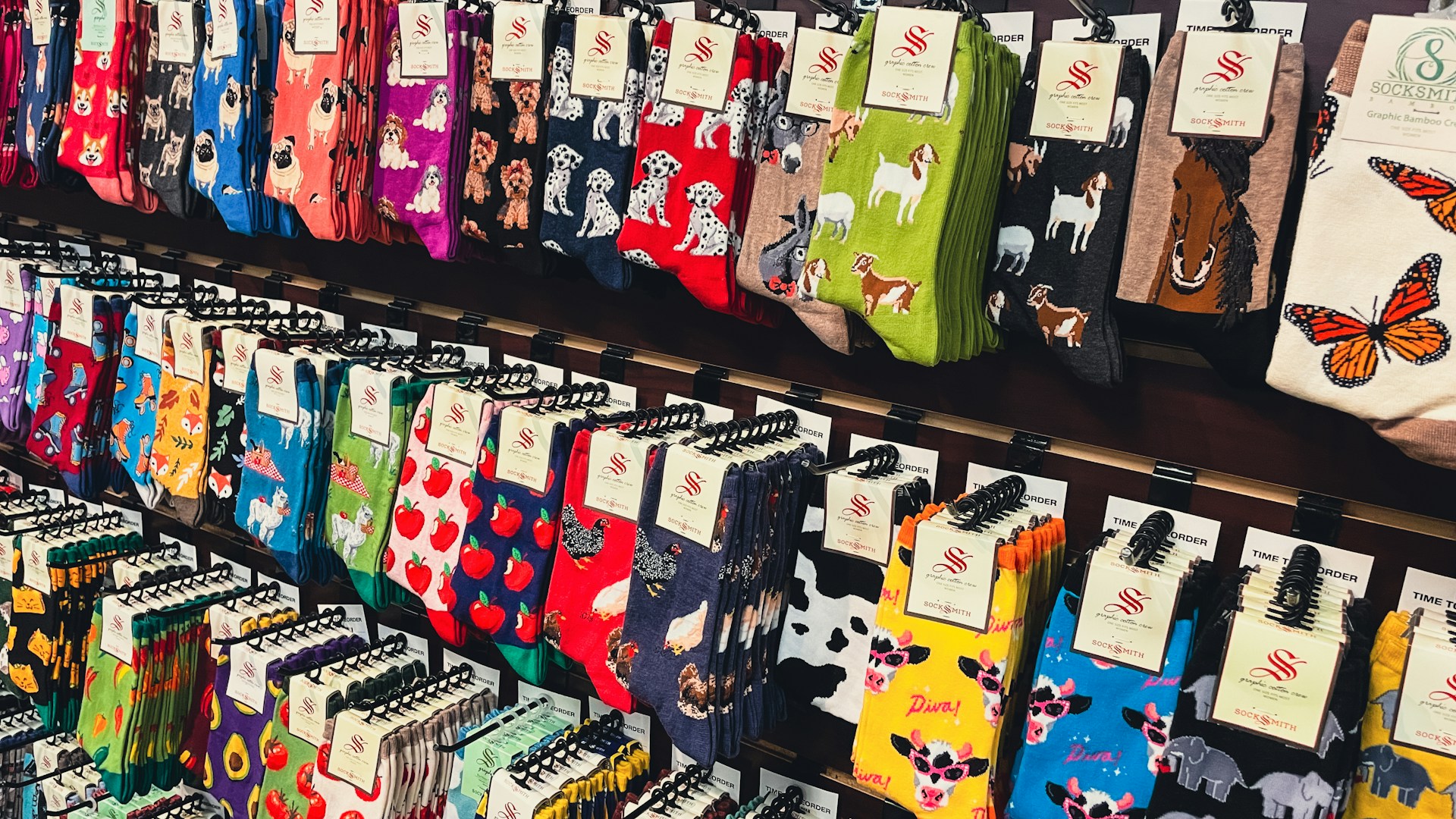
Customer satisfaction is directly linked to product availability – specifically on-shelf availability (OSA). If a specific product isn’t on the shelf, you could lose a customer to one of your competitors. While manual inventory checks and RFID tagging have their place, there is a much more efficient option. Computer Vision.
Computer Vision, which is AI-powered image recognition, streamlines the restocking process. In-store cameras – or even robots – works with advanced image recognition software to analyze the visual data in real-time to detect low stock, misplaced items, and stockouts.
Having the right software – such as Edge AI – in place for this will reduce out-of-stock scenarios. The immediacy it provides is crucial to prevent customers switching brands or leaving empty-handed.
Detects “Phantom” Inventory
Sometimes, an item will be listed as in-stock in the system, but it isn’t there when you check the shelf. This is known as “phantom” inventory. Again, this is an issue with product availability, and the same consequences apply. You will be pleased to know that AI could be used to detect this issue.
One such way this problem is spotted is through probabilistic forecasting and sales analysis. AI algorithms will monitor high-volume SKUs. Items that “should be selling but are not” will be flagged as anomalies. This way, staff members are alerted to the issue and able to rectify it promptly.
To conclude, AI has proven to be a useful in many industries, and retail is just one to reap the benefits. If used correctly, you could be waving “goodbye” to stockouts and other restocking issues – and who doesn’t want that?