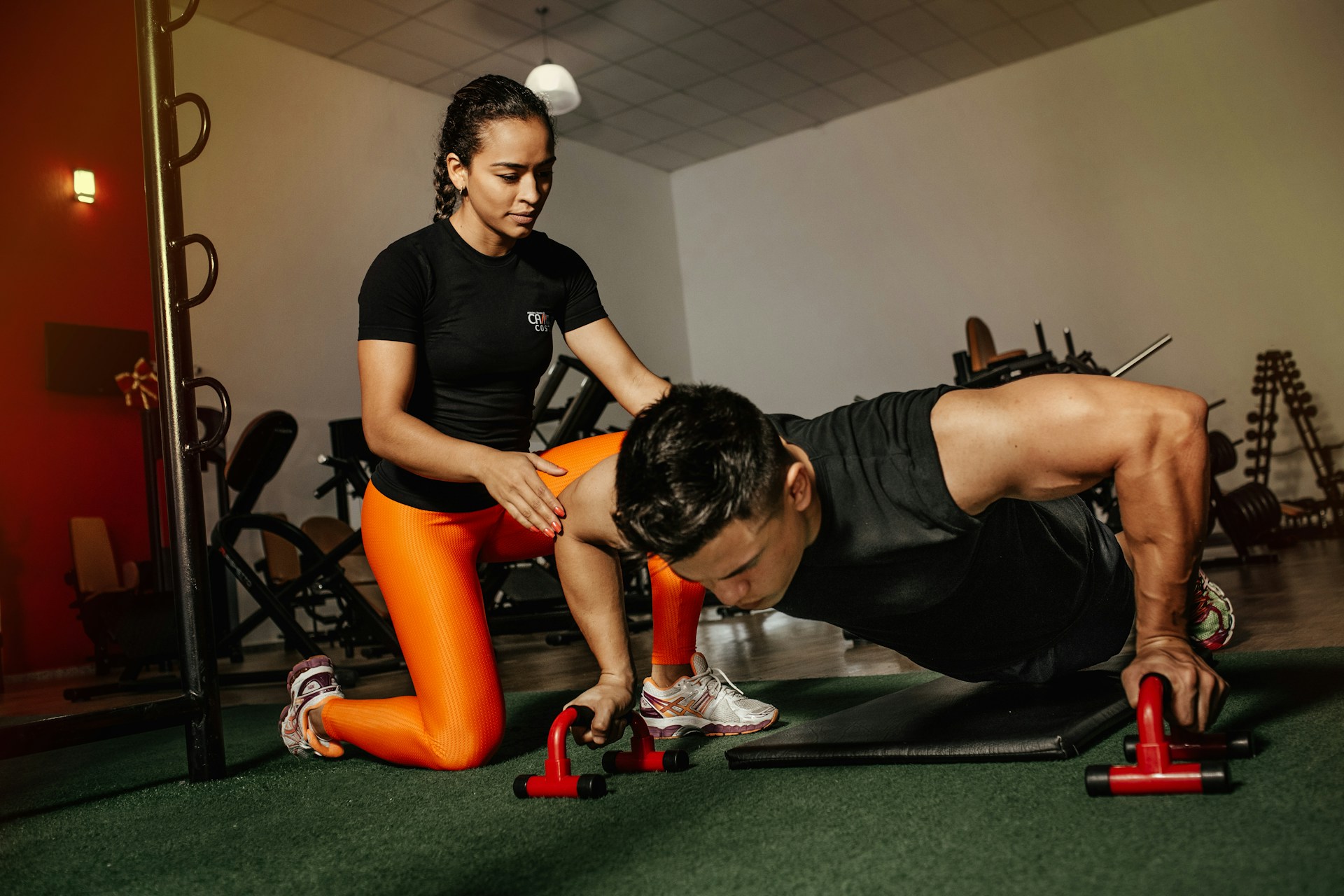
Starting PT training can feel confusing because course names, qualification levels and study formats are often presented together. If you are changing career or fitting study around a job, the practical questions matter just as much as the qualification itself. You need to know where you start, what you will study, how you will be assessed and how much control you have over the pace.
In the UK, a common route moves from gym instructing into Level 3 Personal Training. The exact timetable depends on your starting point and study format, so it helps to understand the structure before you enrol.
Where Does PT Training Usually Start?
If you are new to the fitness sector, Level 2 Gym Instructing commonly provides the foundation before Level 3 Personal Training. Level 2 covers gym-based coaching, exercise instruction and client safety, while Level 3 moves further into programme design, anatomy, physiology, nutrition and one-to-one coaching.
If you are deciding which route fits your starting point, this breakdown of PT training routes brings together Level 2 and Level 3 options, online or attended study, and tutor support in one place.
If you already hold a suitable Level 2 qualification, you may be able to move directly to Level 3 rather than repeat the gym instructor stage. Entry criteria still need to be checked with the training provider before enrolment.
What Will You Study During the Course?
The theory and practical work are closely connected. You may study anatomy and physiology, exercise programming, nutrition for physical activity and ways to screen and consult with clients. You then apply that knowledge when planning sessions and coaching exercise.
There is also a business side to becoming a PT. Training can cover how to work with clients professionally, plan services and understand the basics of running a personal training business.
The content becomes easier to judge when you look beyond the course title. Check the qualification specification, the subjects covered and the practical work you will be expected to complete.
How Are You Assessed?
PT courses can use several assessment methods rather than relying on one final test. These can include online knowledge work, coursework, session plans and practical assessments where you coach a client.
That mix matters because personal training is a hands-on role. Knowing exercise theory is only part of the job. You also need to show that you can plan a suitable session, explain exercises clearly and coach someone safely.
Before enrolling, check where practical assessments take place and whether attendance is required. This is especially useful if you are choosing online study because the learning format and the assessment format may not be identical.
How Long Does PT Training Take?
There is no single timetable that fits every learner. The time needed depends on your starting point, study format, how much time you can give each week and when you are ready for assessment.
Self-paced study can work well around employment or family commitments, but flexibility still requires regular study. Attended training usually comes with fixed dates, which can suit someone who prefers more structure.
Before choosing a course, look at the access period, attendance dates and assessment schedule. Then compare them with the time you can realistically set aside each week. A shorter advertised timeline is not useful if it does not fit the rest of your life.
What Support Should You Expect While Training?
Tutor support can make a noticeable difference when you reach harder subjects or start preparing for assessments. Check how you can contact tutors, when feedback is available and whether your progress can be tracked online.
Learning materials matter too. A mix of digital and printed resources can suit learners who prefer different ways of revising, while an online learning system can keep coursework, progress and feedback in one place.
Career support may also be available once you qualify. This can help with CV preparation or access to fitness employers, but it should not be treated as a promise of work. Employment depends on the role, location, employer and the individual applicant.
What Should You Expect Overall?
PT training is a mix of theory, practical coaching and assessment rather than a single exam. For someone starting from scratch, the route commonly begins with gym instructing before moving into Level 3 Personal Training, while people who already hold a suitable Level 2 qualification may not need to repeat the gym instructor stage.
The best fit depends on your starting point, weekly schedule and preferred way of learning. Check the qualification, study format, assessment arrangements and support before enrolling so you know what to expect from the course.
Image via Unsplash