

A good kitchen demands careful design and astute attention to detail, especially when it comes to electrics.
The correct electrical layout will make food preparation easier and safer, add atmosphere, and generally make the heart of your home a welcoming, inviting, and practical space. Understanding the ins and outs of this process means you can confidently discuss your needs with professionals and ensure you get the kitchen of your dreams.
Understanding Your Kitchen’s Electrical Needs
When planning your kitchen’s electrics, a primary consideration is the range and type of electrical appliances you will use. Each appliance has specific electrical requirements, and each home has a specific electrical profile that needs to be considered when bringing in new appliances.
So, it’s essential to identify how much power each appliance needs and where the power sources, outlets, and switches will be placed. Adequate power supply is crucial to prevent circuit overload, while proper outlet and switch placement contribute to safety and ease of use.
If this sounds like a lot, don’t worry – a professional electrical engineer will be able to assess your home’s needs and give you advice. Ideally, choose an electrician local to you who’s familiar with properties like yours. For example, if you’re in Birmingham, go for an electrician in Birmingham who’s worked with houses on your street or in your area before.
Planning Electrical Circuits
The next step is to plan your kitchen’s electrical circuits. Different appliances need different types of circuits. For example, large appliances such as the cooker or dishwasher typically require dedicated circuits that are not shared with other devices. Smaller ones (like microwaves), on the other hand, can share a circuit as long as their combined power demand does not exceed the circuit’s capacity. Circuits should also be arranged to minimise the risk of tripping a circuit breaker, which can be inconvenient and a safety hazard.
Positioning of Sockets and Switches
The positioning of sockets and switches is another critical aspect of planning kitchen electrics. They should be placed at safe, convenient locations away from sources of water or heat. Switches and outlets for countertop appliances should ideally be placed along the kitchen backsplash, above the work surfaces, to avoid trailing cables. Careful positioning allows easy access while also maintaining the aesthetic appeal of the kitchen.
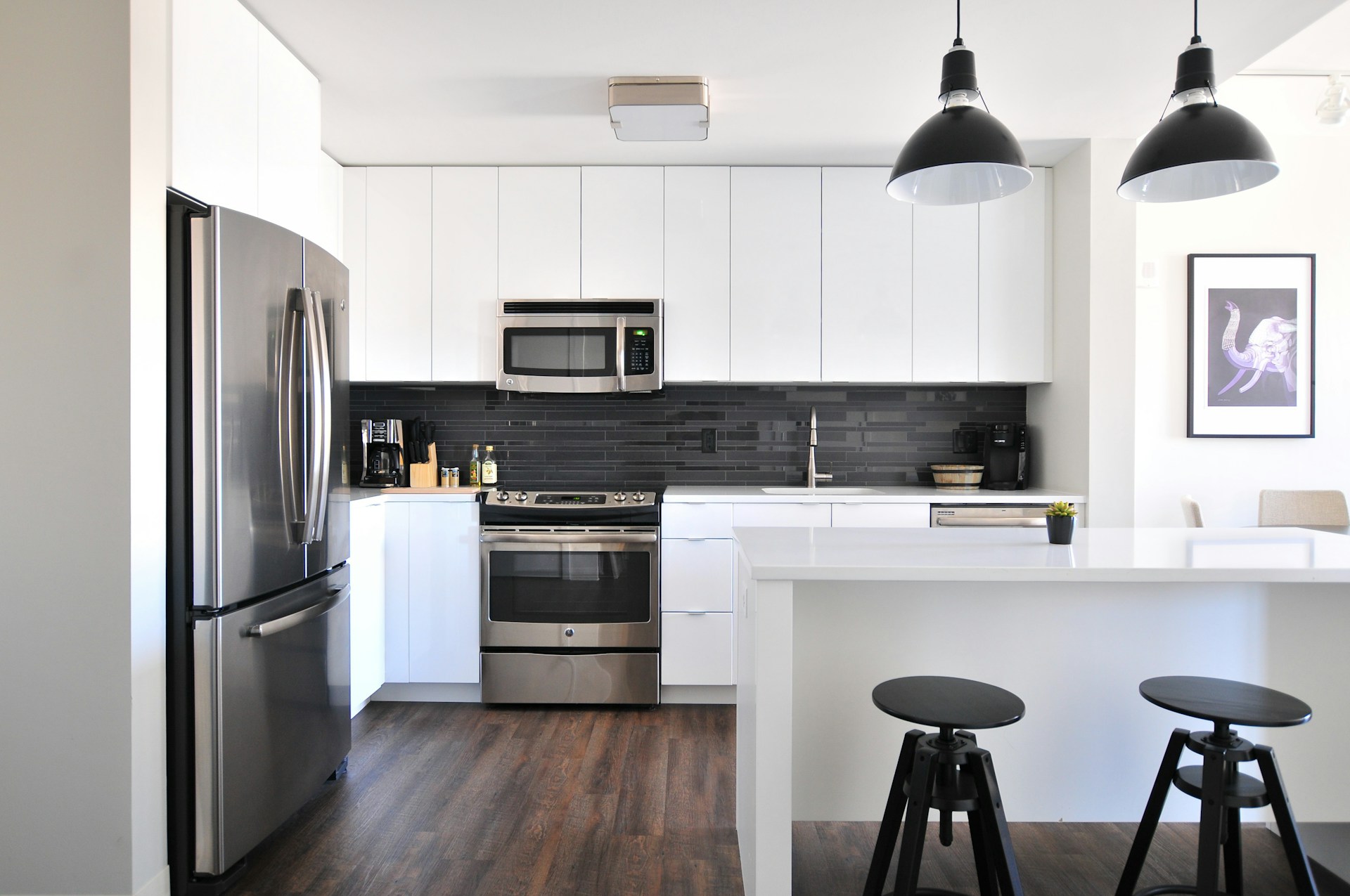
Importance of Lighting in a Kitchen
Lighting is another central electrical element that significantly contributes to the functionality and ambiance of your kitchen. Task lighting, such as under-cabinet lights, can improve visibility and safety when preparing food. Ambient lighting sets the mood and contributes to the overall decor. It’s vital to have a mix of both types, with each set on its own circuit for better control. An experienced electrician can recommend suitable light fixtures and their ideal placements.
Professional Help
Finally, even with careful planning, installing electrics in a new kitchen can be a complex task involving technical knowledge and skills. Therefore, it’s always wise to seek professional assistance. A qualified, experienced electrician can provide invaluable advice, help you avoid potential pitfalls, and ensure that your kitchen’s electrics are safe and functional.
Conclusion
Planning the electrics for your new kitchen is essential, but it doesn’t have to be overwhelming. By carefully considering appliance needs, circuit layout, socket and switch placement, lighting options, safety regulations, and when to call in a professional, you can create a kitchen that’s sleek, functional, and ideally suited to your lifestyle.