Living With Devices That Know Us
In modern Britain, technology has woven itself so seamlessly into everyday life that we often forget how recent many of these changes are. From contactless payments on the bus to smart speakers in the kitchen, digital tools quietly shape our routines. Among these tools, wearable technology stands out as particularly intimate. Unlike phones or laptops, wearables are attached to our bodies, collecting data not just about what we do, but how we live, move, and rest.
This intimacy has changed the way people think about health and wellbeing. Counting steps, tracking sleep, and monitoring heart rate have become part of ordinary conversation, discussed over tea breaks and weekend walks alike. Yet, despite all the data and dashboards, what truly matters is how individuals interpret and personalise their relationship with these devices.
More Than Just Numbers
One of the most interesting aspects of wearable technology is that it offers the illusion of objectivity. Numbers feel reassuring. They suggest clarity and control. However, numbers never exist in a vacuum. A step count does not know whether you were rushing to catch a train or strolling slowly through a park. A sleep score cannot fully capture stress, emotion, or the comfort of waking up next to someone you love.
This is where personal choice becomes essential. Some people thrive on goals and targets, while others prefer gentle awareness. The same device can motivate one person and overwhelm another. Recognising this difference is key to using technology in a healthy way. It is not about obeying the data, but about learning from it and deciding what matters to you.
Style, Identity, and Small Decisions
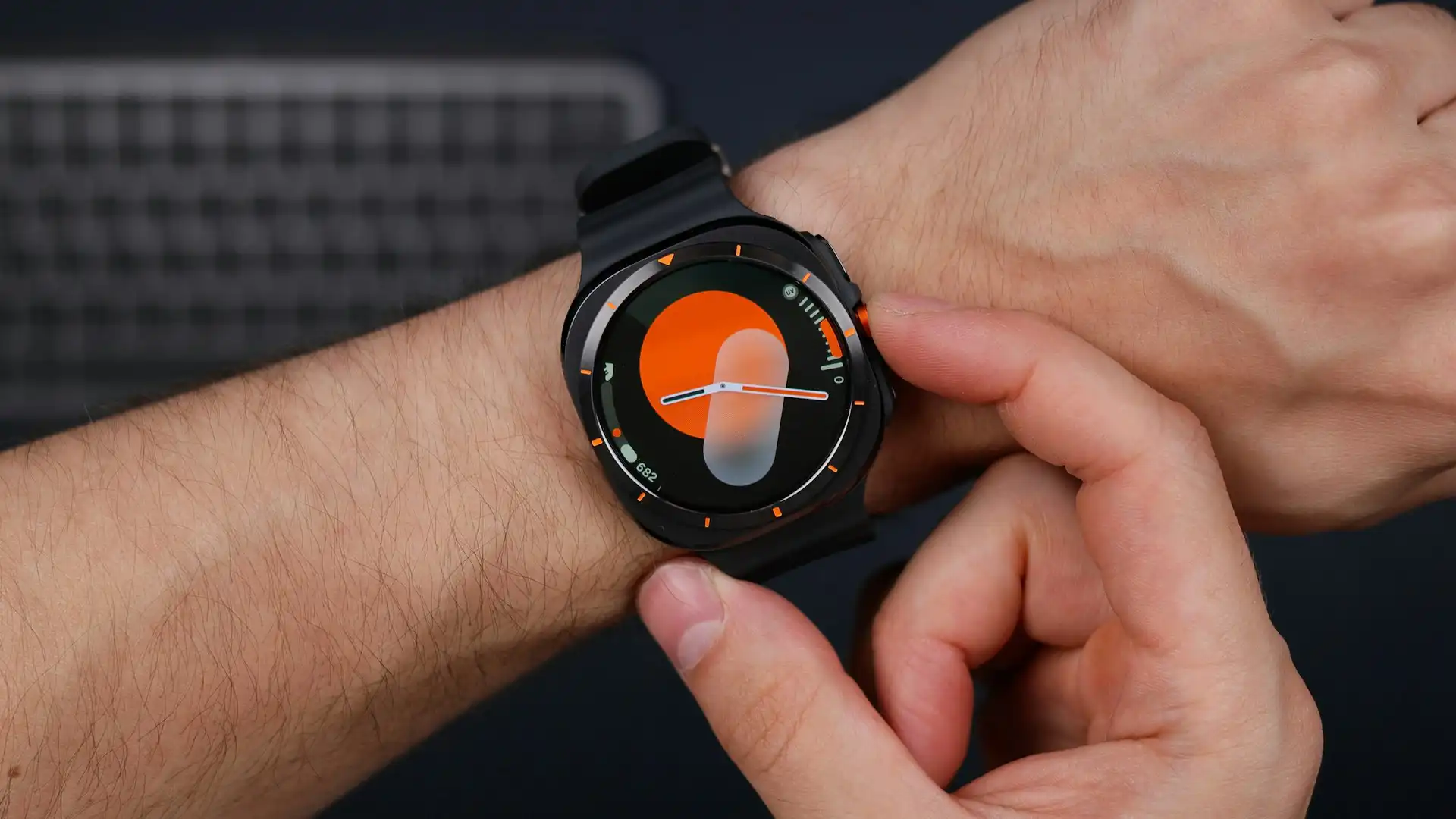
Personalisation is not limited to software settings or notification preferences. Physical details also play a surprisingly important role. Choosing different straps for Fitbit devices, for example, is not merely a question of comfort. It is also about identity. A leather strap might suit a professional setting, while a colourful silicone one feels right for the gym or a casual weekend.
These small decisions reflect a broader truth: technology is never purely functional. We incorporate it into our sense of self. Just as clothing communicates mood and personality, so do the accessories we choose for our devices. This blending of fashion and function helps technology feel less intrusive and more like a natural extension of daily life.
Health as a Conversation, Not a Command
In Britain, discussions about health have traditionally balanced privacy with community. We value personal space, yet we also appreciate shared experiences, whether through sports clubs, walking groups, or friendly chats with neighbours. Wearable technology fits into this cultural pattern when it is treated as a conversation starter rather than a strict authority.
Comparing step counts with a friend can be playful and encouraging, not competitive or stressful. Noticing patterns over time can lead to thoughtful changes, such as taking regular breaks or prioritising rest. When approached with curiosity instead of pressure, technology becomes a supportive companion rather than a demanding supervisor.
Slowing Down in a Fast World
Perhaps the greatest challenge of modern technology is speed. Everything updates constantly, and there is always more information available. Wearables, paradoxically, can help people slow down if used wisely. By highlighting the importance of rest, recovery, and consistency, they remind us that progress is not always about doing more.
In a society that often celebrates busyness, choosing balance is a quiet act of resistance. It means listening not only to data, but also to your own body and mind. Technology can inform that listening, but it should never replace it.
A Personal Relationship With Technology
Ultimately, the value of wearable technology lies in the relationship each person builds with it. There is no single correct way to use these devices, just as there is no universal definition of a healthy life. What matters is intention, reflection, and the freedom to adapt.
By making thoughtful choices, both digital and physical, we can ensure that technology serves us rather than the other way around. In doing so, we turn everyday gadgets into tools that support wellbeing, self-expression, and a more mindful way of living.