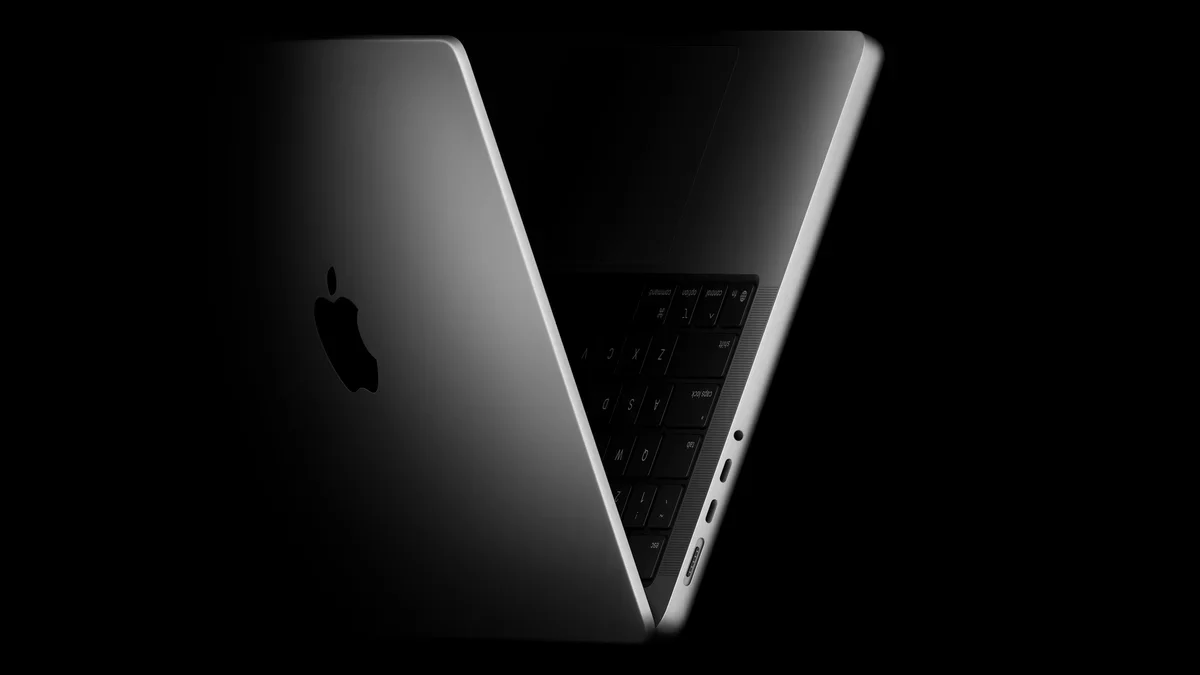
When Apple releases its next-generation MacBook Pro in 2026, the tech world won’t just be watching for performance specs. It’ll be interesting to see a change in how we use laptops in everyday life.
This model is expected to mark the first time Apple includes an OLED touchscreen in a MacBook. This move suggests the company is finally embracing the tactile, immersive demands of modern media consumption. For a brand historically hesitant to bring touch capabilities to macOS devices, this is a recalibration of how laptops function in an era where the line between productivity and play is nearly invisible.
Sources close to Apple’s supply chain have indicated that the new MacBook Pro will feature on-cell touch technology paired with a vibrant OLED display. It will offer sharper contrast, deeper blacks, and improved energy efficiency compared to current Mini-LED setups. Industry observers believe this release could redefine the purpose of the MacBook Pro. It will be a premium entertainment hub designed for everyone who expects content to look flawless, respond instantly, and travel effortlessly.
Touchscreens and OLED: Built for a New Kind of Entertainment
Apple’s new direction comes at a time when entertainment itself is transforming. While streaming, gaming, and live content remain dominant, the way people engage with these formats is different.
This is where touchscreen OLED technology starts to make sense, particularly for video editors, artists, and everyday consumers. High‑definition streaming, interactive games, and real‑time applications all share the demand for screens that respond instantly and draw you into the experience.
One space that exemplifies this evolution is casino entertainment. Traditionally confined to physical venues or static desktop websites, the online casino experience has moved toward mobile-first platforms that prioritize speed, simplicity, and touch-based engagement. Users can now enjoy fast-loading games, such as slots, blackjack, or roulette, with real-time interaction across smartphones, tablets, and laptops. These modern platforms emphasize sleek design, minimal clutter, and immediate feedback. These are characteristics that echo Apple’s own design philosophy. With the 2026 MacBook Pro, Apple is aligning its hardware to support these shifts, ensuring it can handle rich visuals, quick-touch commands, and the kind of immersive experience that modern digital entertainment demands.
Entertainment formats such as casino gaming have pushed forward expectations for digital interactivity. Players today want entertainment that responds as fast as they think with no lag, no bloat, just clean, controlled play. Apple’s move toward a high-resolution, touch-optimized laptop aligns neatly with this growing demand, transforming the MacBook Pro into a device that’s as relevant for interactive play as it is for passive streaming.
The Laptop as a Portable Entertainment Hub
What sets the 2026 MacBook Pro apart is what that feature enables. A touchscreen, paired with OLED technology, provides users with a tactile and visually stunning way to engage with content. For media consumers, that means better color fidelity for movies, smoother swiping for browsing, and richer feedback for gaming and touch-based apps. For creators, it offers precision and immediacy. It allows you to adjust video timelines with your finger, sketch ideas directly onto the display, or navigate large creative interfaces with intuitive gestures.
It also marks a step forward for portability. While tablets and smartphones are typically the go-to for mobile entertainment, the new MacBook Pro might become a viable alternative for users who want the flexibility of a laptop with the responsiveness of a tablet. You could edit a video, binge a show, play an online game, or switch between these modes fluidly without needing separate devices.
This kind of flexibility supports the growing trend of multi-use technology. Consumers want devices that adapt to context. At home, the MacBook becomes a high-resolution display for watching films or playing immersive games. On the go, it becomes a sleek, interactive entertainment console. The fusion of high-performance internals, rich visuals, and hands-on input is what could make the 2026 MacBook Pro stand out in a market flooded with hybrid devices.
A Glimpse Into Apple’s Entertainment Vision
The 2026 MacBook Pro is a spec upgrade, as well as a declaration that Apple is ready to rethink how laptops serve today’s media-centric lifestyles. With OLED visuals, full touch input, and a design philosophy that’s moving toward hybrid use, Apple is responding to what users expect. They want entertainment that’s immersive, interactive, and available anywhere.
Streaming in 4K, exploring digital gaming platforms, or diving into hands-on formats like casino entertainment all require hardware that can keep up with fast, immersive media. The new MacBook Pro is designed to meet those demands while also empowering creators who produce content for audiences of millions.
Apple has long been known for its precision design and technological reliability, but its growing ambition seems to stretch beyond performance alone. Much like its earlier efforts to partner with luxury brands like Hermès, where a smartwatch became a stylish crossover of leathercraft and digital utility, Apple now appears to be courting lifestyle relevance through functional elegance. Just as the Hermès Apple Watch sought to merge utility with high-end desirability, the 2026 MacBook Pro hints at a similar intent. It elevates a tool into a premium, experiential product that seamlessly blends form, function, and status.
In reimagining what the MacBook can be, Apple may finally be positioning its laptops not just as professional tools, but as the ultimate all-in-one devices for the entertainment age.