As technology continues to evolve, many everyday tasks are becoming simpler and more efficient. You can now use technology to manage your home environment, track health metrics, and automate tasks that would have taken hours to complete. But as technology promises to make life easier, you need an upgrade that will deliver on that promise.
In 2026, several new innovations are transforming how we live, work, and travel. The technologies are addressing real needs and solving real problems. However, not every tech upgrade is right for you. This article explores upgrades that promise real change, backed by current trends and developments.
How Digital SIM Tech Is Quietly Replacing the Old Way
Physical SIM cards are still the standard for mobile connectivity in many countries. However, they are slowly being replaced by digital SIM cards, also known as eSIMs. The advantage of eSIMs is that they are embedded directly in devices.
This eliminates the need to swap your SIM card when travelling abroad, or use backup data connectivity, or to change carriers. Rather than visiting a physical store to get a new SIM card, you can activate a mobile plan digitally in minutes and be connected.
The convenience of eSIMs is a blessing to frequent travellers. Traditionally, travellers relied on international roaming rates, which have always been expensive and unreliable. And if you go for a local SIM card, you must locate a physical store, provide identification, and swap your hardware.
But with an eSIM, you eliminate this process entirely. A good example is the Holafly travel eSIM in Morocco. The eSIM lets you connect immediately upon arriving in Morocco without changing your physical SIM card.
The eSIM works on compatible devices, can be activated by a QR code, and does not have surprising roaming rates. If you heavily rely on maps, messaging, ride-hailing, or remote work while travelling, this eSIM gives you a practical upgrade.
Beyond travelling, eSIMs can also improve your daily life at home. You can have a dual digital SIM setup that separates your personal and work numbers and maintains a secondary data plan you can use whenever you experience a coverage gap.
Smart Home Devices Worth the Investment in 2026
When Smart Home devices were being invented, many homeowners found them unreliable, difficult to configure, and dependent on multiple unnecessary apps. In 2026, these devices will be more efficient in terms of energy savings, be more compatible with home systems, provide stronger security, and offer greater convenience. The best Smart Home devices that are worth your investment in 2026 include:
- Matter-Certified Smart Breaker Panels: Architects are now recommending smart electrical panels as a standard for new builds and home renovations. These devices allow you to monitor energy usage in your home, circuit by circuit, in real time. Because of volatile energy prices, these panels automatically run heavy loads when electricity is cheapest.
- Wi-Fi 7 Routers and Mesh Systems: A Smart Home is only smart if it has reliable internet connectivity. Wi-Fi 7 offers lower latency and can handle hundreds of devices simultaneously without congestion. Therefore, if you have cameras, sensors, streaming devices, and thermostats running simultaneously, upgrade your home internet to Wi-Fi 7 and eliminate buffering and unresponsive devices.
- AI-Powered Climate Control: Traditional smart thermostats only react to the temperatures set by the user. However, 2026 models are AI-powered and can analyse weather patterns and optimise heating and cooling in your home.
- Smart Air Quality Monitors Integrated with HVAC: New devices are available that can detect VOCs, CO2, and PM2.5. Once they detect these compounds, the devices boost fresh air intake to improve sleep quality and cognitive functions in the home. For example, Airthings products have sensors which can monitor pollutants and factors that affect indoor air quality.
Other devices, like security cameras, are now AI-powered, lighting systems are voice-controlled, and smart appliances can monitor usage and suggest maintenance before breakdowns.
Wearables That Go Beyond Counting Your Steps
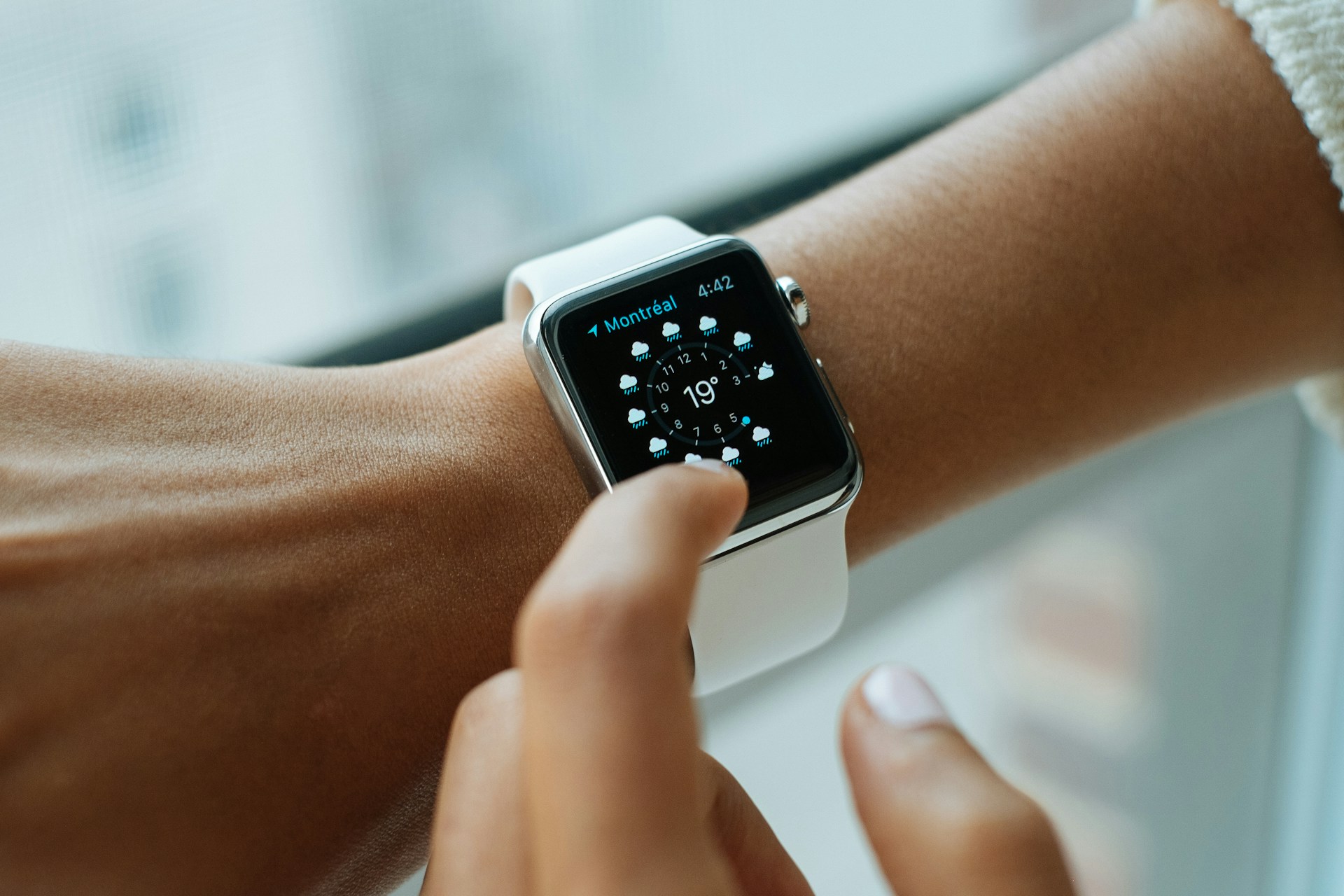
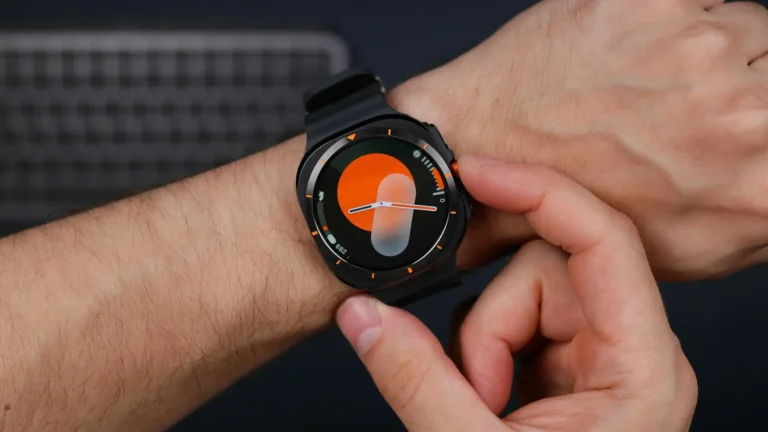
While wearable devices still include fitness trackers and step counters, they now have additional features that monitor your health, stress and sleep patterns, and recovery. Furthermore, these devices have become fashion statements and productivity tools. Examples include:
- Continuous glucose monitors for diabetes management and non-diabetics.
- Smart rings for sleep and recovery tracking.
- AI-powered smart glasses for heads-up display, language translations, guides, and summaries.
- Muscle oxygen monitors for measuring heart rate and muscle oxygen saturation.
- Smart hearing aids that bridge the gap between consumer earbuds, headphones, and medical devices.
Wearables are so advanced that they can now monitor what is happening inside your body at a neurological and molecular level.
Wireless Everything — Why Cables Are Officially Over
Cables were always seen as a trade-off for reliability and speed. But that compromise is over. Although power is the only reason cable is relevant, you can use wireless technology to charge your devices.
For gamers and IT professionals, the Ethernet cable was the best for achieving zero-latency in competitive gaming and heavy file transfers. In 2026, Wi-Fi 7 and early Wi-Fi 8 can give you speeds over 40 Gbps. Furthermore, wireless connections are becoming more stable because you can easily switch to a different frequency if one gets interference.
Another technology that has replaced cable is wireless Thunderbolt and ultra-wideband technology. Think of it this way. You walk into any modern office with your laptop and place it on the desk. Instantly, without plugging in any cables, two 4K monitors light up, your external SSD mounts, and your mechanical keyboard connects.
As the research for 6G technology continues, expect connections to have lower latency. That means you will not need cable to offer improved connectivity.
The Subscription Services Hiding Inside Your Gadgets
When buying a gadget, you will notice that it comes with an in-built subscription feature that unlocks premium functionalities. Apple devices have implemented this feature through Apple One. Apple One bundles music, storage, and fitness into one payment.
This model is expanding across various devices to offer tiered access for a better experience. For example, you buy a car with 500 horsepower. However, the software limits it to only 400. Therefore, you must pay a monthly fee to enjoy the extra 100.
The same also applies to wearables, especially those that monitor your health. One downside of wearables is that, despite giving you raw data, you cannot analyse the results. Some devices have a premium ‘AI Interpreter’ feature whereby it analyses the data and tells you why you are tired, or your skin temperature is low.
In general, subscription services that will hide inside your gadgets include cloud storage for cameras and doorbells, productivity tools, gaming passes, software updates, noise cancellations, and noise sound. These subscriptions will add to your monthly costs but can be valuable depending on the features you need.
Images via Unsplash