Forget spec sheets and frequency response charts. Here’s what actually matters when you’re picking a portable speaker for real life.
Portable speakers are one of those products where the gap between “good” and “perfect for you” is massive. You can read all the reviews you want, but if someone recommends a speaker without asking where you’re actually going to use it, that recommendation is useless.
Because the speaker you want for a beach trip is completely different from the one you want for a house party. The one that’s perfect for camping would be overkill in a park. And the one that sounds incredible in your kitchen might fall flat in a garden.
So instead of ranking speakers from best to worst like everyone else does, let’s talk about what you actually need for each situation and which speakers deliver.
For the Park: UE Boom 4
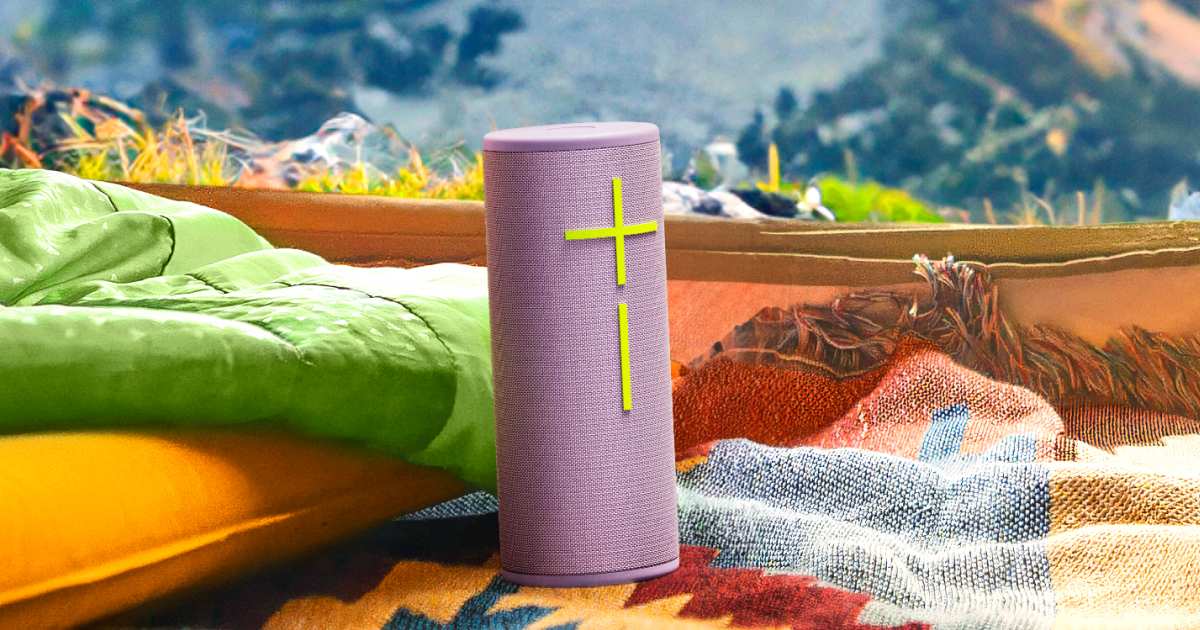
Park sessions are the bread and butter of British summer. A few cans, a blanket, maybe a football, and a speaker keeping things moving. For this, you need something that’s loud enough to cover your group but not so loud that the people three blankets over start giving you looks.
The UE Boom 4 is pretty much perfect for this. It’s compact enough to chuck in a bag without thinking about it, the 360-degree sound means everyone in the circle gets the same experience, and the battery life is genuinely excellent. You’ll get a full afternoon and evening out of a single charge.
The sound quality punches well above its size too. It’s not going to rattle windows, but for a park hang with six to ten people, it fills the space nicely. Plus it’s IP67 rated, so when someone inevitably knocks a drink over near it, you’re fine.
For the Beach: JBL Charge 6
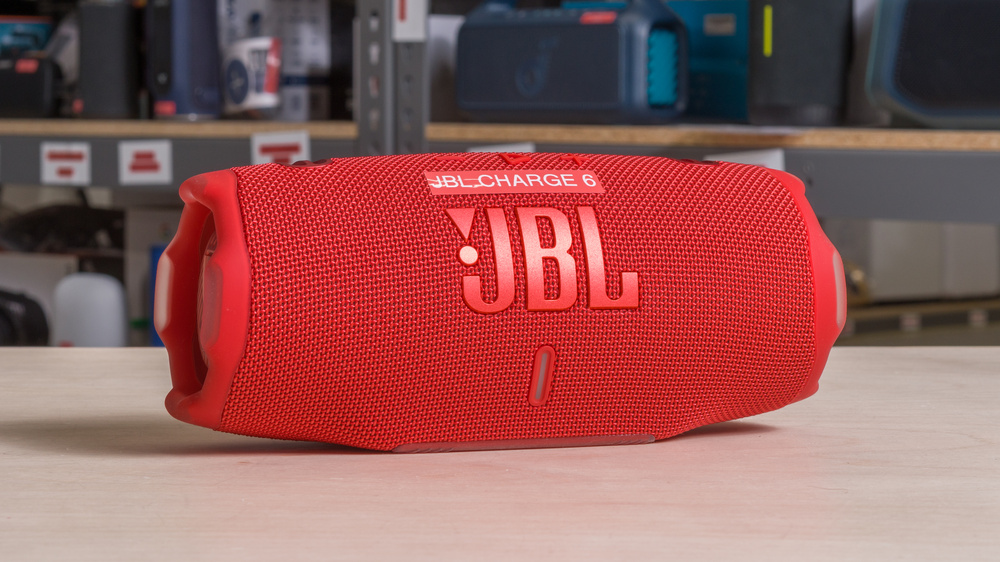
Beach speakers need to survive sand, water, sun, and the general chaos of a beach day. They also need to compete with wind and waves, which is harder than most people realise. A speaker that sounds great in your living room can sound thin and weedy on a windy beach.
The JBL Charge 6 handles all of this. It’s IP67 waterproof (you can literally rinse sand off it under a tap), it’s got enough bass to cut through wind noise, and the battery lasts around 24 hours. Twenty-four hours. You could play music for an entire weekend camping trip and still have juice left.
It also doubles as a power bank, so you can charge your phone off it. Which, if you’ve ever been on a beach with 4% battery and no way to call an Uber home, you’ll appreciate more than the sound quality.
Speaking of outdoor adventures, if you’re the type who takes speakers on holiday, our Courchevel ski guide covers another destination where a good portable speaker in the chalet goes a long way.
For House Parties: Marshall Middleton
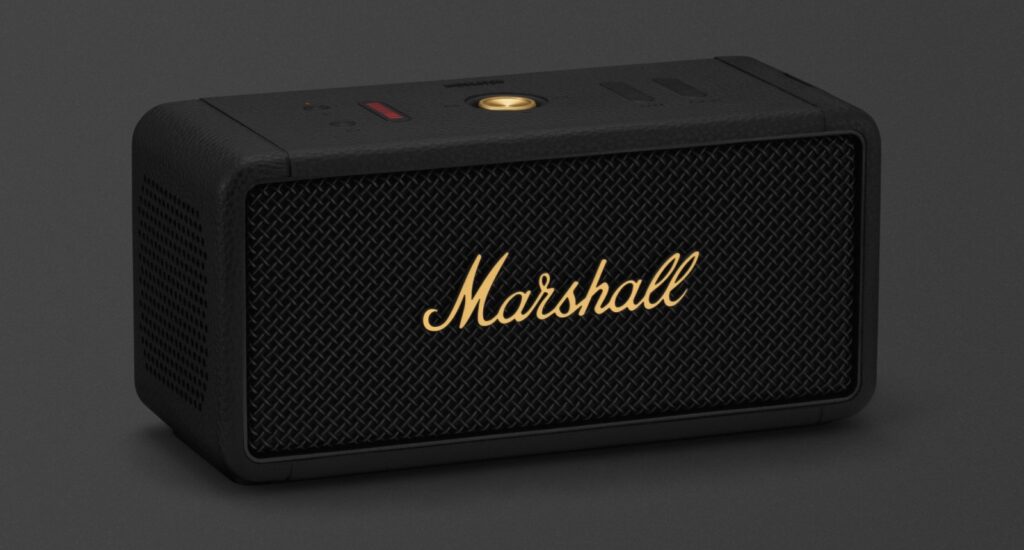
Right, this is where things get interesting. House parties need volume and bass. That’s non-negotiable. If your speaker can’t fill a room and get people’s chests vibrating a bit on the low end, it’s not a party speaker.
The Marshall Middleton is the one. It looks the part (the classic Marshall amp aesthetic is genuinely iconic), it sounds absolutely massive for a portable speaker, and the stereo separation is noticeably better than most competitors. You get actual width to the sound, which makes a real difference in a room.
It’s not cheap. Let’s get that out there. But if you’re someone who regularly hosts and wants a speaker that can genuinely replace a full stereo setup for a party, it’s worth every penny. The bass response is deep and controlled, not that boomy, distorted mess you get from cheaper options when you push the volume.
It’s also still portable. It’s bigger than the UE Boom, obviously, but it’s not a pain to carry. You can sling it in a bag and take it to someone else’s gaff if you need to.
For Camping: Sony ULT Field 1
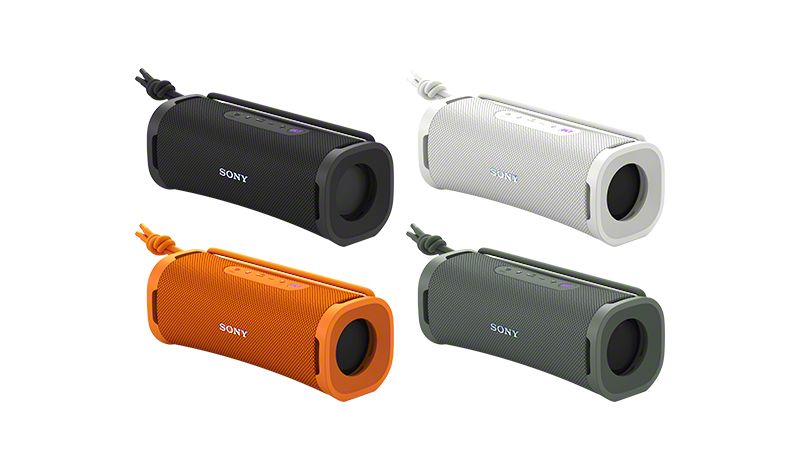
Camping speakers have a specific set of demands. They need to be small, tough, have great battery life, and ideally sound decent at low volumes too. Because camping isn’t always about blasting tunes. Sometimes you just want background music while you’re cooking on the camp stove or sitting around the fire.
The Sony ULT Field 1 nails this. It’s compact, built like a tank, has Sony’s ULT button that gives you a bass boost when you want it (and a more balanced sound when you don’t), and the battery life is solid. It also has a built-in strap that makes it easy to clip onto a backpack or hang from a tent pole.
The sound quality at low to medium volume is where this speaker really shines. A lot of portable speakers are designed to sound their best at high volumes and fall apart when you turn them down. The Sony stays balanced and musical even when it’s just ticking along quietly.
If you’re into making your own space feel good, whether that’s a campsite or your front room, our DIY crafts guide has some ideas for setting the scene at home too.
For the Shower (Yes, Really): JBL Clip 5
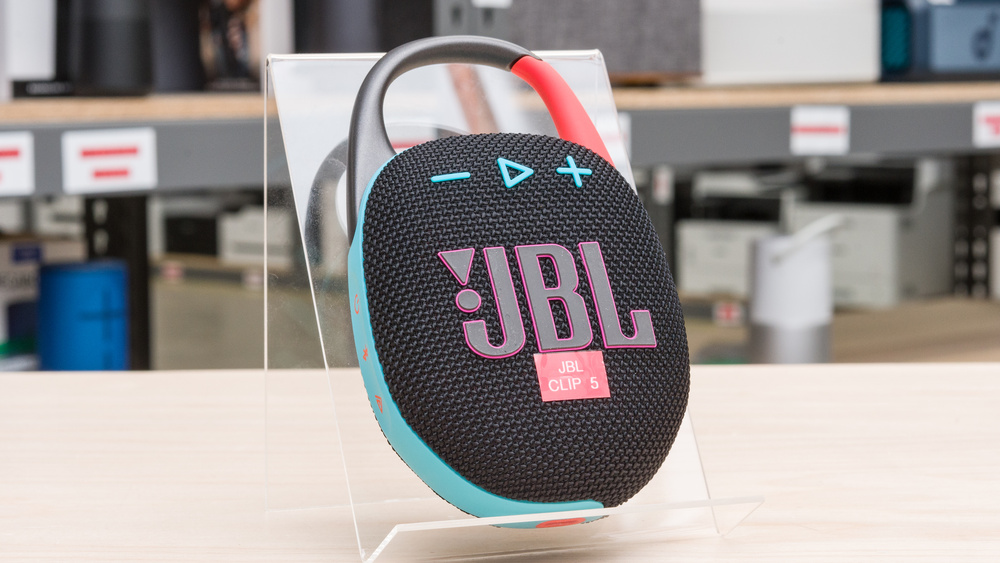
Look, shower speakers are a thing and there’s no shame in it. A podcast or playlist in the shower is one of life’s small pleasures, and the JBL Clip 5 is built specifically for it.
The integrated carabiner clips onto a shower head or towel rail, it’s fully waterproof (obviously), and the sound is surprisingly full for something the size of a hockey puck. It’s not going to fill a room, but for personal listening in a small space, it’s brilliant.
It’s also cheap enough that you won’t cry if it eventually dies from steam exposure. At around 50 quid, it’s the kind of purchase that just makes your daily routine slightly better.
The “Do Everything” Pick
If you only want one speaker and you need it to handle everything from park sessions to house parties to travel, the JBL Charge 6 is probably the most versatile option. It’s not the best at any single thing, but it’s genuinely good at everything. The battery life alone makes it the safest bet.
The Marshall Middleton is the pick if sound quality is your absolute priority and you don’t mind paying for it. And the UE Boom 4 wins if portability matters most to you.
What About Cheaper Options?
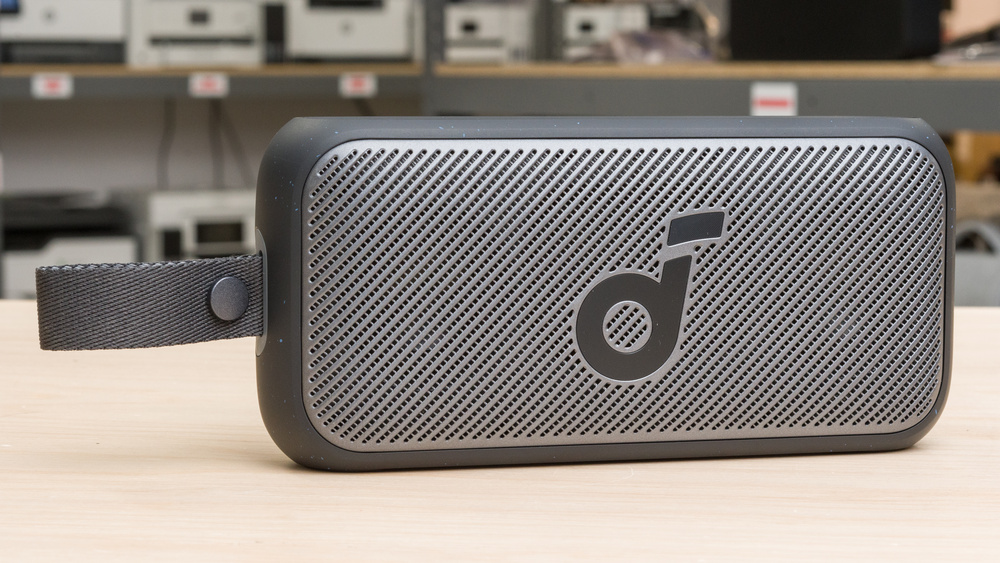
Not everyone wants to spend 150 quid on a speaker, and that’s completely fair. The budget end of the market has genuinely improved in the last couple of years.
The Anker Soundcore Motion 300 sits around the £79 mark and punches well above its price. It’s not going to compete with a Marshall Middleton, but for casual use, it’s perfectly good. The Tribit StormBox Micro 2 is even cheaper and surprisingly capable for its size.
Just avoid the absolute bottom of the barrel. Those no-name speakers on Amazon for 15 quid might look tempting, but they universally sound terrible, have batteries that last about 90 minutes, and will end up in a drawer within a month. Spend a bit more and get something you’ll actually use.
Quick Buying Tips
Battery life matters more than you think. Whatever the manufacturer claims, knock about 20% off and that’s your real-world number. Anything under 10 hours real-world is going to be annoying.
Waterproofing is essentially mandatory at this point. Even if you never take it to a beach, speakers get drinks spilled on them at parties, left out in the rain in gardens, and splashed in kitchens. IP67 is the standard to look for.
Don’t obsess over watts. A well-designed 20-watt speaker will sound better than a poorly designed 40-watt one. The numbers on the box mean far less than the actual engineering inside.
And finally, buy from somewhere with a decent returns policy. John Lewis and Curry’s both have solid return windows, and John Lewis gives you a two-year guarantee as standard. That matters with electronics.
The Bottom Line
The portable speaker market in 2026 is stacked with genuinely good options at every price point. The key is matching the speaker to how you’ll actually use it, not just buying whatever has the highest rating online. Think about your life, your habits, where you spend time, and pick accordingly. You’ll enjoy it ten times more than if you just grab whatever’s trending.