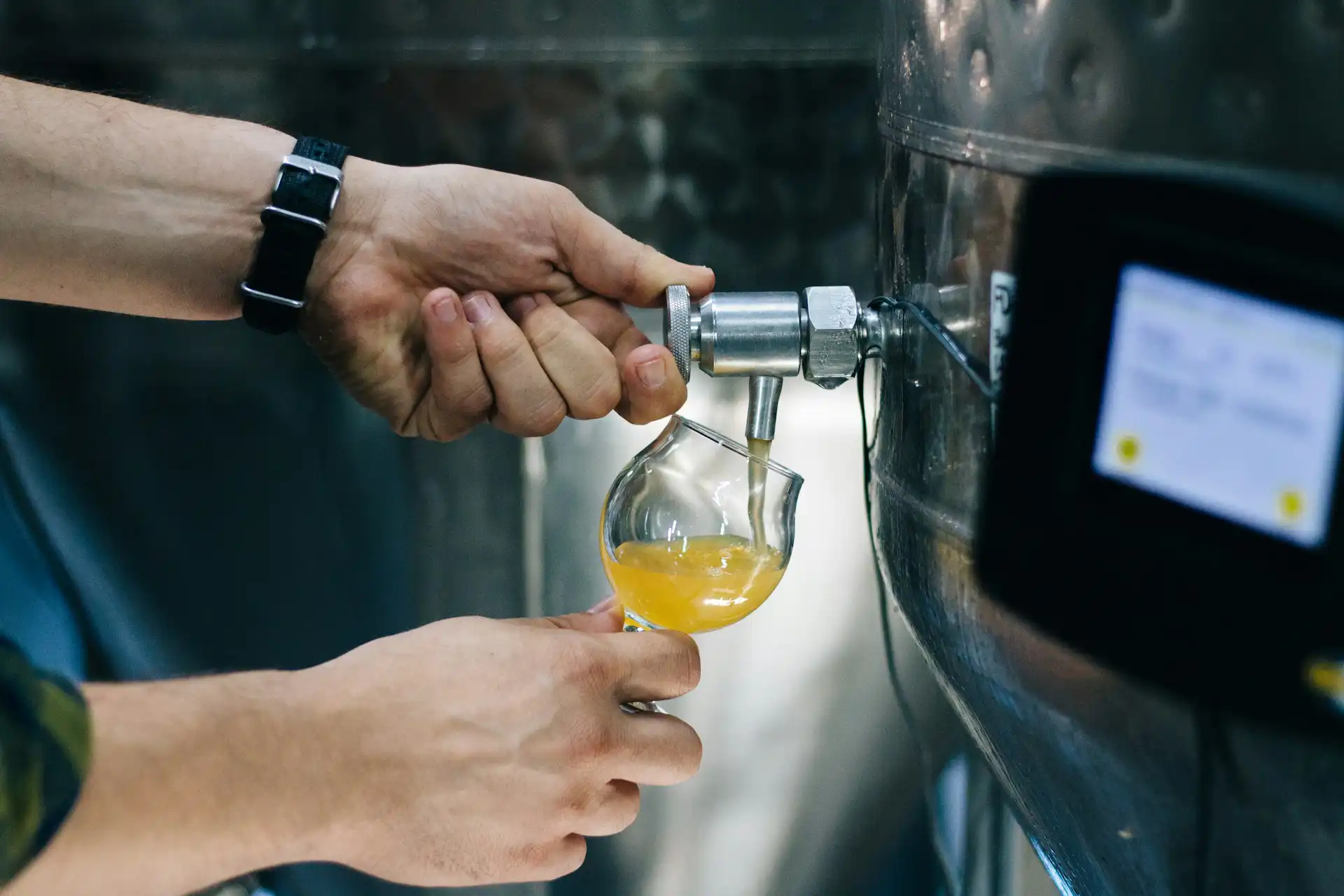
Supermarket shelves are full of familiar labels, but for many beer lovers that line-up now feels a bit… predictable.
Once you’ve tasted a few bold IPAs, rich stouts and funky sours, the standard range starts to blur into one. That’s exactly where homebrewing steps in. It gives you the freedom to shape flavour, strength and aroma the way you want – and to do it in your own kitchen or garage.
Home brewing has quietly shifted from a niche pastime to a mainstream hobby. Modern equipment, clear instructions and ready-made ingredients mean you no longer need a chemistry degree or a shed full of strange pipes. With today’s starter kits, you can produce beer that rivals your favourite craft taproom, without leaving home.
Why homebrewing is booming
The rise of homebrewing is not just a trend; it’s a response to how we now think about food and drink. You probably already see it in other areas of your life: baking sourdough, fermenting kimchi, making your own stock instead of buying cubes. Brewing beer at home fits with that same urge to understand, tweak and improve what you consume.
Several factors drive this boom.
- Control over flavour: supermarket beers are designed to please as many people as possible. Your home-brew is designed to please one person first – you.
- Experimentation: you can play with hops, malts, fruits and spices in ways no commercial brewery would risk at scale.
- Cost per pint: once you have basic equipment, every batch spreads the cost. Many brewers find that good-quality homebrew undercuts premium craft bottles.
- Satisfaction: serving a pint you made yourself has a special kind of magic. It turns a casual drink into a small celebration of your own skills.
From curiosity to first batch
Most people start homebrewing for one of three reasons: curiosity about the process, frustration with supermarket choice, or a desire to recreate a favourite craft beer. Whatever your motivation, the first step is usually the same – choosing how “hands-on” you want to be.
At the simplest level, you can begin with extract-based beer kits. These provide concentrated malt extract, hops and yeast, plus clear instructions. You dissolve the extract in hot water, top up with cold water, pitch the yeast and let fermentation do the rest. It’s a bit like using a cake mix: the technique is simple, yet there’s still room to personalise the result.
If you enjoy cooking from scratch, you may quickly feel tempted by all-grain brewing. That’s where you extract sugars from crushed malted barley yourself. The process is more involved, but it opens the door to deeper control over body, colour and flavour complexity. Many brewers move gradually from extract to partial mash, and finally to full all-grain as their confidence grows.
What modern beer kits really offer
Today’s beer kits are a world away from the dubious, yeasty concoctions some people remember from the 1980s. Ingredient quality has improved dramatically, and manufacturers now draw on the same hop varieties and malt profiles used by professional craft breweries.
Good kits usually include:
- hopped or unhopped malt extract (liquid or dry)
- a yeast strain chosen for the beer style
- clear, step-by-step instructions
- sometimes additional ingredients, such as dry hops or priming sugar
For a first-time brewer, this structure removes a lot of guesswork. You still learn the essential skills – sanitising, temperature control, bottling – but you don’t yet need to worry about water chemistry or complex grain bills. That’s especially helpful if you’re also interested in other homemade projects, like cider, mead or fermented foods, and want to build your confidence gradually.
If you’re exploring options, you can find a wide range of beer kits tailored to different tastes: from crisp lagers and classic bitters to juicy IPAs and dark porters. Many are designed as complete starter solutions, so you can move straight from opening the box to brewing your first batch in a single afternoon.
Developing your brewer’s palate
Homebrewing sharpens the way you taste. Once you start brewing, you no longer drink beer passively. You notice the citrus note from late hops, the biscuit character from certain malts, the subtle fruitiness of an English ale yeast.
To build that palate:
- taste your beer at different stages: sweet wort, half-fermented beer, young beer in the bottle, fully conditioned beer
- keep a simple notebook with dates, temperatures and tasting notes
- compare your homebrew with a commercial example of the same style, side by side
These habits mirror how serious home cooks think about seasoning or how bakers adjust hydration and fermentation times. Brewing becomes part science, part art, and your senses are at the centre of it.
Beyond beer: a gateway to other homemade delights
Once you understand fermentation, a whole world of homemade food and drink opens up. The same principles – cleanliness, temperature control, patience – apply when you make:
- natural sodas with ginger bug
- homemade cider from fresh juice
- lacto-fermented vegetables like sauerkraut or pickles
- sourdough bread with wild yeast
Each new project reinforces your skills. Timing a mash helps you judge when your bread has proofed enough. Monitoring fermentation temperature makes you more aware of how your kitchen environment affects yoghurt or kefir.
Homebrewing often becomes the anchor of a broader culinary hobby. Your kitchen turns into a small laboratory where flavour is something you craft, not just consume.
Turning a pint into a personal signature
In the end, the real attraction of homebrewing lies in identity. You are not just buying a brand; you are creating one. You might become known among friends for a particular pale ale, a smoky porter or a seasonal spiced beer that appears every winter.
With each batch you refine:
- the balance between malt sweetness and hop bitterness
- the level of carbonation, from soft and creamy to sharp and fizzy
- the strength, whether you prefer a gentle session beer or a bold, warming brew
That process never truly finishes, and that’s the beauty of it. There is always another variable to adjust, another ingredient to try, another technique to explore. Supermarket shelves will continue to offer convenience, but once you’ve poured a glass of your own beer, tailored to your taste and brewed with care, those shelves start to look more like a starting point than a destination.
If you feel that familiar itch for something more distinctive in your glass, homebrewing is ready for you. All it asks is a bit of curiosity, a clean fermenter and the willingness to wait while yeast quietly turns your ideas into a pint that is uniquely yours.