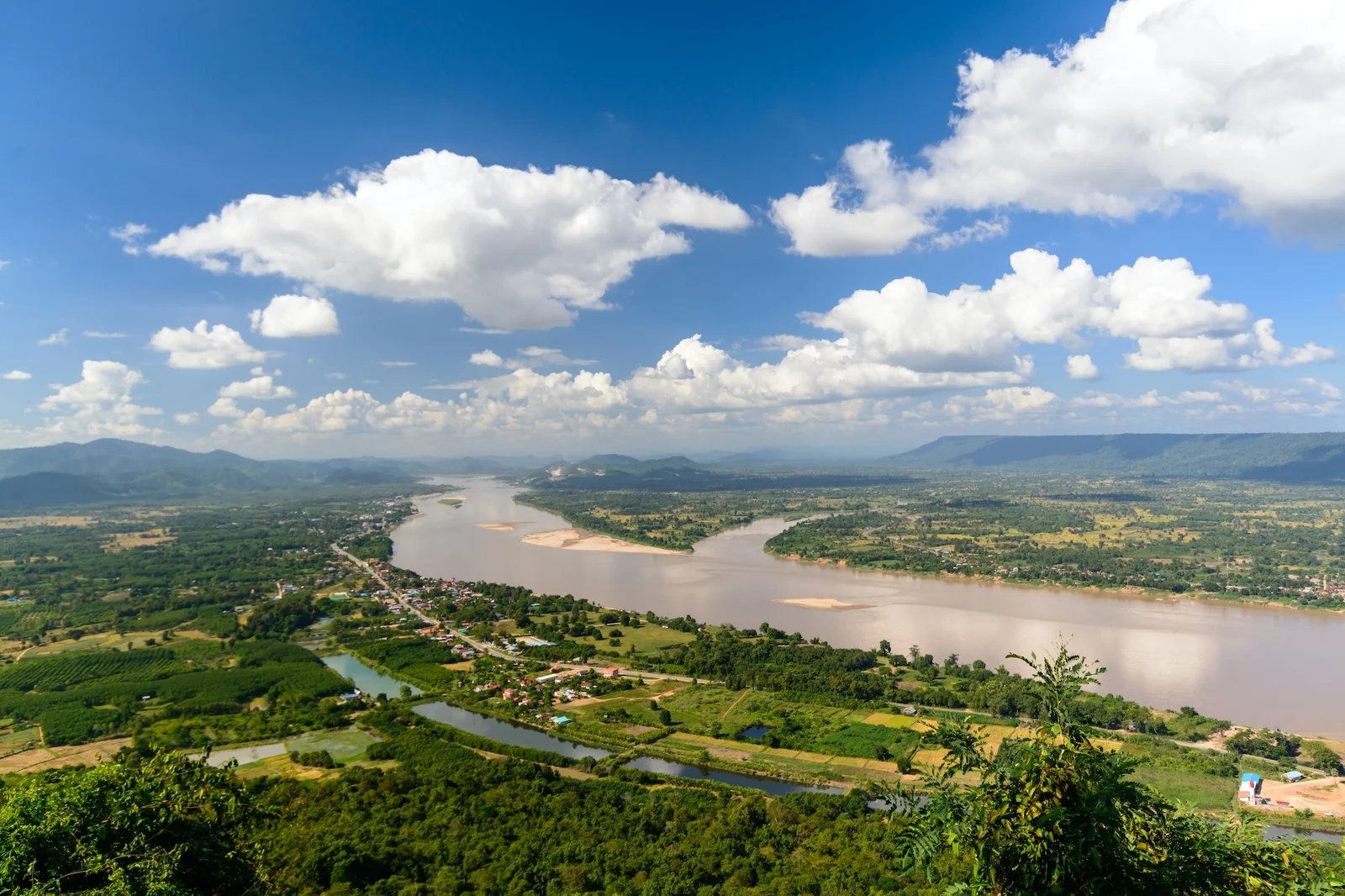
The Mekong River passes through regions where tradition, history, and daily life remain deeply connected to the water. Villages, temples, and markets appear along its banks, shaped by customs preserved across generations. Travel along this river feels immersive because culture emerges naturally through everyday routines. These surroundings allow travellers to observe traditions without artificial presentation.
Exploring the region by river provides access to communities that remain closely tied to ancestral practices. A Mekong cruise allows travellers to move calmly through cultural landscapes while maintaining comfort and a thoughtful pace. Guided visits follow local customs and respectful protocols. This structure supports meaningful interaction rather than surface-level encounters.
Traditional Village Life Along the Riverbanks
Village visits reveal daily routines shaped by agriculture, fishing, and strong family connections. Homes stand close to the river, reflecting dependence on the water for livelihood and transport. Residents welcome visitors with warmth, curiosity, and quiet pride. These encounters feel genuine and unhurried.
Local crafts, food preparation, and shared stories offer insight into generational knowledge. Guests observe how traditions continue through daily practice rather than ceremony. Conversations unfold naturally with guidance when needed. Village life provides cultural depth rarely found through conventional travel.
Buddhist Temples and Spiritual Practices
Buddhist temples line many sections of the Mekong River, reflecting deep spiritual influence across the region. Monks participate in daily rituals that shape both personal and community life. Temple visits allow respectful observation and quiet learning. These spaces feel calm, reflective, and deeply symbolic.
Guides explain architectural features, religious symbols, and daily practices with clarity. Guests witness prayer ceremonies and offerings during visits. The atmosphere encourages patience and reflection. Spiritual traditions add meaning to the journey.
Local Markets and Trade Traditions
Markets along the Mekong reflect regional flavours, seasonal rhythms, and economic exchange. Vendors sell produce, spices, textiles, and handmade goods sourced locally. These markets serve as social gathering points within communities. Activity feels lively yet purposeful.
Visitors walk through stalls while guides explain trade customs and regional significance. Products reflect local resources and climate conditions. Interaction feels welcoming and sincere. Markets reveal everyday cultural exchange.
Regional Cuisine and Culinary Heritage
Food plays a central role in cultural identity along the Mekong River. Meals reflect regional ingredients, preparation methods, and shared traditions shaped by geography. Dining experiences introduce flavours tied to heritage and community. Cuisine becomes a form of storytelling.
Guests enjoy meals prepared with local influence onboard and ashore. Guides explain ingredient origins and preparation customs during tastings. Dining moments feel educational and enjoyable. Culinary heritage deepens cultural understanding.
Cross-Border Cultural Influences Along the River
The Mekong flows through several countries, creating shared traditions shaped by history and exchange. Architecture, clothing, and language shift gradually along the riverbanks. These transitions reflect centuries of cultural interaction. Variation appears naturally through daily encounters.
A Mekong cruise reveals how borders influence identity while maintaining shared heritage. Guests observe differences through village visits and regional customs. Guides highlight both distinction and connection. This perspective enriches understanding.
A Mekong River cruise delivers cultural experiences rooted in daily life, tradition, and shared history. Village visits reveal authentic routines shaped by the river. Spiritual practices add reflection and depth. Cuisine, markets, and cross-border influences highlight regional identity. These experiences create lasting understanding beyond sightseeing.