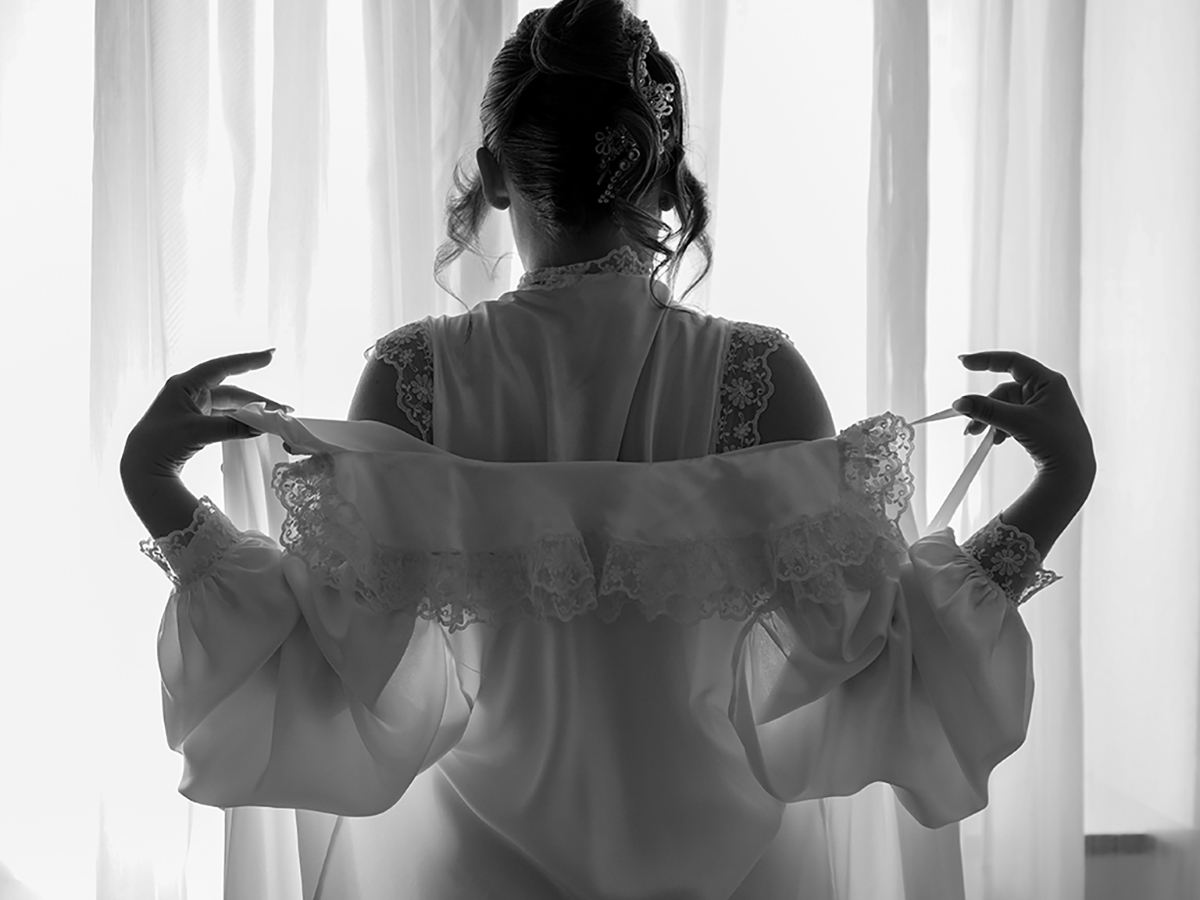
The gap between a favourite daytime outfit and an overlooked sleepwear drawer can be surprisingly wide. Someone who enjoys clean tailoring may prefer an equally uncluttered nightdress; a love of colour or decorative sleeves need not disappear at bedtime. Nightwear offers another setting for those preferences, with comfort still doing much of the deciding.
Pyjamas remain useful, especially for anyone who likes separate tops and bottoms. A nightdress offers a different experience: one continuous shape, no trouser waistband and a silhouette that can be simple or expressive. Its appeal lies in finding a cut that suits the wearer, rather than treating one form of sleepwear as the correct choice for everyone. Familiar preferences about shape can help narrow an otherwise overwhelming selection.
The Silhouettes Bringing Nightdresses into Focus
A flowing maxi brings length and movement, whereas a shorter slip feels visually lighter. Delicate straps leave the shoulders open; wider straps provide more coverage and may sit more securely. The same fabric can look quite different when it is gathered beneath the bust instead of falling straight from the neckline.
From Minimalist Slip Dresses to Romantic Lace
Minimalism depends on proportion and finish. A plain neckline, a restrained colour and an uninterrupted hem allow the cut to lead. Romantic designs introduce softer edges through lace, small gathers or scalloped trims. Neither approach requires a tight fit, and decorative detail can remain concentrated in one area rather than covering the entire garment.
Choosing Fabrics That Look Beautiful and Feel Comfortable
Photographs reveal colour and shape more readily than they reveal how cloth feels. Silk is a fibre, while satin is a weave that can use different fibres. Cotton may feel crisp or soft depending on construction, and lace can be supple, firm or textured. A composition label helps separate these qualities from the effect of lighting.
The useful comparisons concern the fabric in contact with the body:
- a smooth inner surface where the garment touches the torso;
- enough opacity for the wearer’s preferred coverage;
- flexible trims around the neckline and underarms;
- a weight that suits the temperature of the bedroom.
A beautiful outer face cannot compensate for an irritating seam. Trying the garment while sitting and reaching gives a more realistic impression than standing still in front of a mirror.
Finding a Nightdress That Fits Your Personal Aesthetic
The variety within elegant nightgowns makes personal preference a useful starting point. An understated wardrobe might suggest a plain black slip with a modest neckline. Someone drawn to softer shapes could favour a pale design with lace confined to the hem, leaving the rest of the silhouette relaxed.
Fit deserves attention beyond the size on the label. A neckline that rests neatly when standing may shift when leaning forward, while a narrow skirt can restrict a normal stride. Adjustable straps alter the position of the neckline but cannot correct an unsuitable overall cut. Length also needs to work with the wearer’s height and usual footwear.
Colour changes the mood without changing the basic garment. Deep navy can feel as restrained as black, while a muted rose offers softness without relying on frills. Preferences about transparency are equally individual: an opaque front with lace sleeves provides a different balance from an entirely sheer design.
There is also a difference between appreciating a style and wanting to wear it regularly. A dramatic low back may be appealing in an image but less useful for someone who prefers a covered shoulder. Comparing a potential nightdress with a favourite existing garment can make those preferences concrete. Measurements, the position of straps and the amount of ease often explain comfort more clearly than a broad description such as relaxed or fitted. A robe can also change how much of the nightdress remains on show.
Styling Nightwear Beyond Bedtime
A few complementary pieces can make a nightdress feel complete during a slow morning or an evening at home. The styling works best when each addition has a purpose rather than simply repeating every decorative detail:
- a plain robe gives a lace neckline room to stand out;
- a fine knit layer adds coverage to a simple slip;
- softly coloured slippers connect with a small trim;
- a fabric hairband keeps the face clear without competing with the outfit.
These combinations can use pieces already in the wardrobe. Exact colour matching is optional; a consistent level of formality often creates a more natural result.
Everyday practicality is the final edit. Floor-length hems may be inconvenient on stairs, and heavily embellished accessories are rarely useful for ordinary household tasks. A nightdress earns regular wear when its shape, fabric and accompanying layers feel easy to live with. Personal style then becomes something visible in a familiar routine, without turning that routine into a performance.