Cinema has always had a fascination with the high-stakes world of finance. There is something undeniably cinematic about the trading floor: the shouting, the adrenaline, the sudden fortunes, and the devastating losses.
For audiences, these films offer a glimpse into a world of excess and power that few ever get to experience. But for actual traders, these movies often sit somewhere between painful satire and exaggerated reality. As we settle into 2026, the genre continues to evolve, but the classics remain timeless lessons in human psychology. Whether you are a seasoned investor or just someone who enjoys a high-octane drama, the best trading movies do more than just entertain; they reveal the raw ambition that drives the global economy. This article explores the top films about trading, dissecting what they get right, what they get wrong, and how the landscape has shifted from the shouting pits of the 80s to the silent, digital battlegrounds of today.
The Wolf of Wall Street (2013): The Excess of the 90s
No list would be complete without Martin Scorsese’s masterpiece. It is the film that defined a generation’s view of stockbrokers. Leonardo DiCaprio’s portrayal of Jordan Belfort is electrifying, capturing the manic energy of a pump-and-dump scheme.
The Reality Check
While the drug use and parties make for great cinema, the actual trading shown is minimal. The film focuses on “pink sheet” stocks and high-pressure sales tactics that are largely illegal today. However, the psychological aspect of greed is perfectly accurate. The “sell me this pen” scene remains a masterclass in sales psychology.
Modern Context
Today, the industry is far more regulated. The boiler rooms of the 90s have been replaced by sophisticated online platforms. Modern forex trading is conducted in a highly transparent environment where execution speed and analytics matter more than aggressive sales pitches. Yet, the film serves as a cautionary tale about the dangers of unchecked ambition.
The Big Short (2015): The Intellectual Thriller
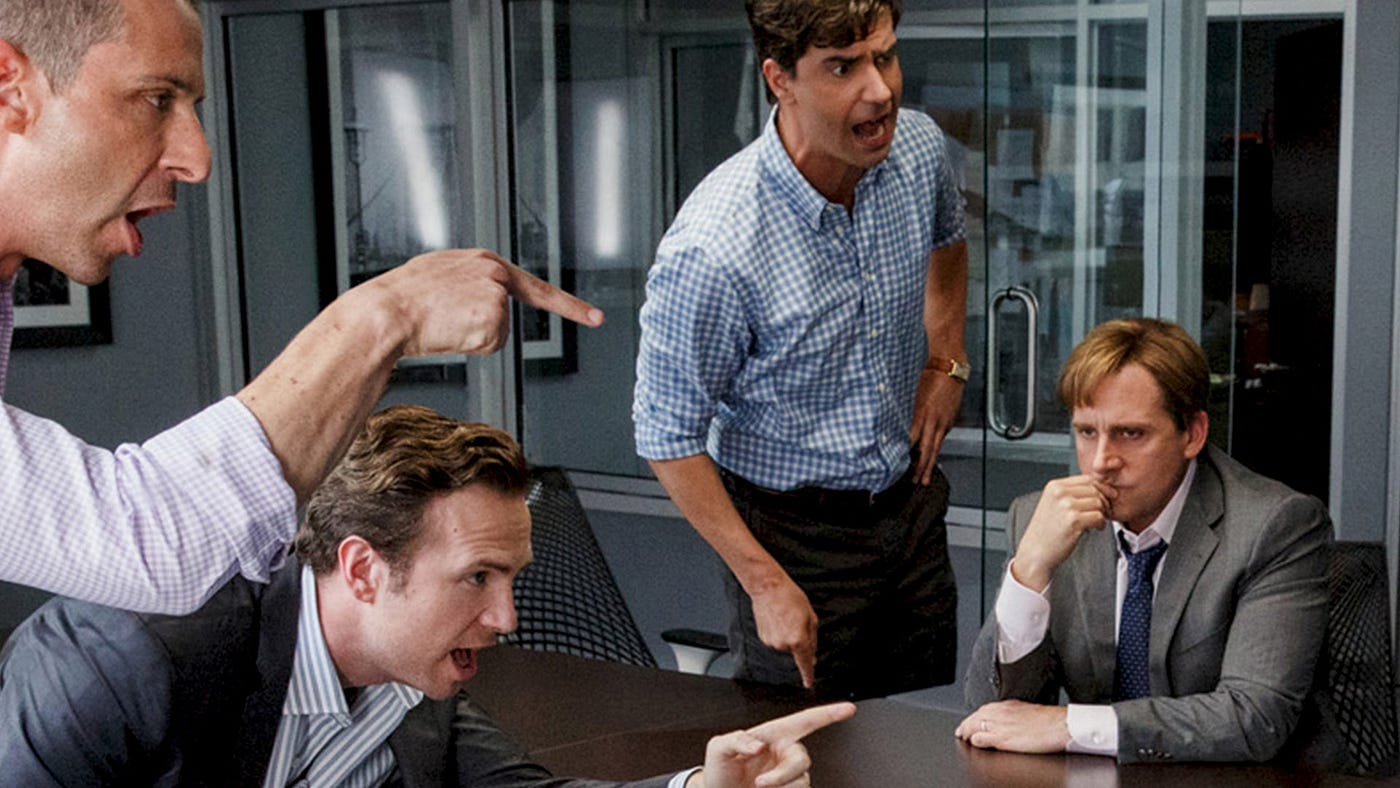
If The Wolf of Wall Street is about the party, The Big Short is about the hangover. Adam McKay’s film manages the impossible task of making complex financial instruments like Collateralized Debt Obligations (CDOs) entertaining.
Breaking the Fourth Wall
By using celebrities to explain financial concepts, the film democratized financial literacy. It showed that the market isn’t just a casino; it’s a complex machine that can break if ignored. The characters, based on real people like Michael Burry, represent the analytical side of trading—the contrarians who look at the data when everyone else is looking at the hype.
The Lesson for 2026
The key takeaway here is due diligence. In the film, the protagonists win because they actually read the prospectuses. In the modern era, this translates to understanding the assets you trade. Whether you are analyzing currency pairs or looking at commodities, success comes from research, not luck.
Margin Call (2011): The Corporate Perspective
While other films focus on the rogue trader, Margin Call looks at the institution. It takes place over a single 24-hour period at a fictional investment bank on the brink of the 2008 crisis.
The Ethics of Survival
The film is a chilling examination of corporate survival. It asks the hard question: what do you do when the music stops? The boardroom scenes are intense, stripping away the glamour to reveal the cold, hard math of risk management. It is arguably the most realistic depiction of institutional pressure ever filmed.
Gold as a Safe Haven
In times of crisis, as depicted in the movie, liquidity becomes king. Assets are sold off to survive. This dynamic is why many investors turn to commodities during market turmoils. Understanding how to navigate these shifts is crucial. Today, gold trading remains a primary strategy for hedging against the kind of systemic risks highlighted in Margin Call. When the paper market collapses, the metal often holds its ground.
Rogue Trader (1999): The Lone Wolf
Based on the true story of Nick Leeson, who single-handedly bankrupted Barings Bank, this film is a study in psychology and the failure of risk controls. Ewan McGregor plays Leeson as a sympathetic but deeply flawed character who tries to hide a small loss, only to dig a hole so deep it swallows an entire institution.
The Danger of “Doubling Down”
The film perfectly illustrates the “martingale” fallacy—the idea that you can recover losses by doubling your bet. Leeson’s downfall wasn’t the initial loss; it was his refusal to accept it. According to Wikipedia, Leeson’s unauthorized speculative trades resulted in losses exceeding £800 million, a stark reminder of why stop-loss orders are non-negotiable in professional trading.
Internal Recommendations
If you are hungry for more cinematic insights into the financial world, check out Flavourmag’s own list of must-watch films about finance. It covers other gems like Wall Street (1987) and documentaries like Inside Job, providing a broader scope for movie buffs.
Conclusion: Entertainment vs. Education
Movies about trading are thrilling because they condense years of market action into two hours of drama. They focus on the outliers—the criminals, the geniuses, and the crashes. But for the everyday trader in 2026, the reality is different. It is less about shouting into a telephone and more about quiet, disciplined analysis. Real trading is a marathon, not a sprint.
However, these films serve a vital purpose. They remind us of the human element in the markets. Behind every chart and every algorithm, there are human emotions: fear, greed, hope, and regret. By watching these stories, we can learn to recognize these emotions in ourselves. So, grab some popcorn, watch the masters at work (and play), and then return to your charts with a renewed respect for the power of the market. Just remember: in the movies, the credits roll after the crash. In real life, you have to wake up and trade the recovery.