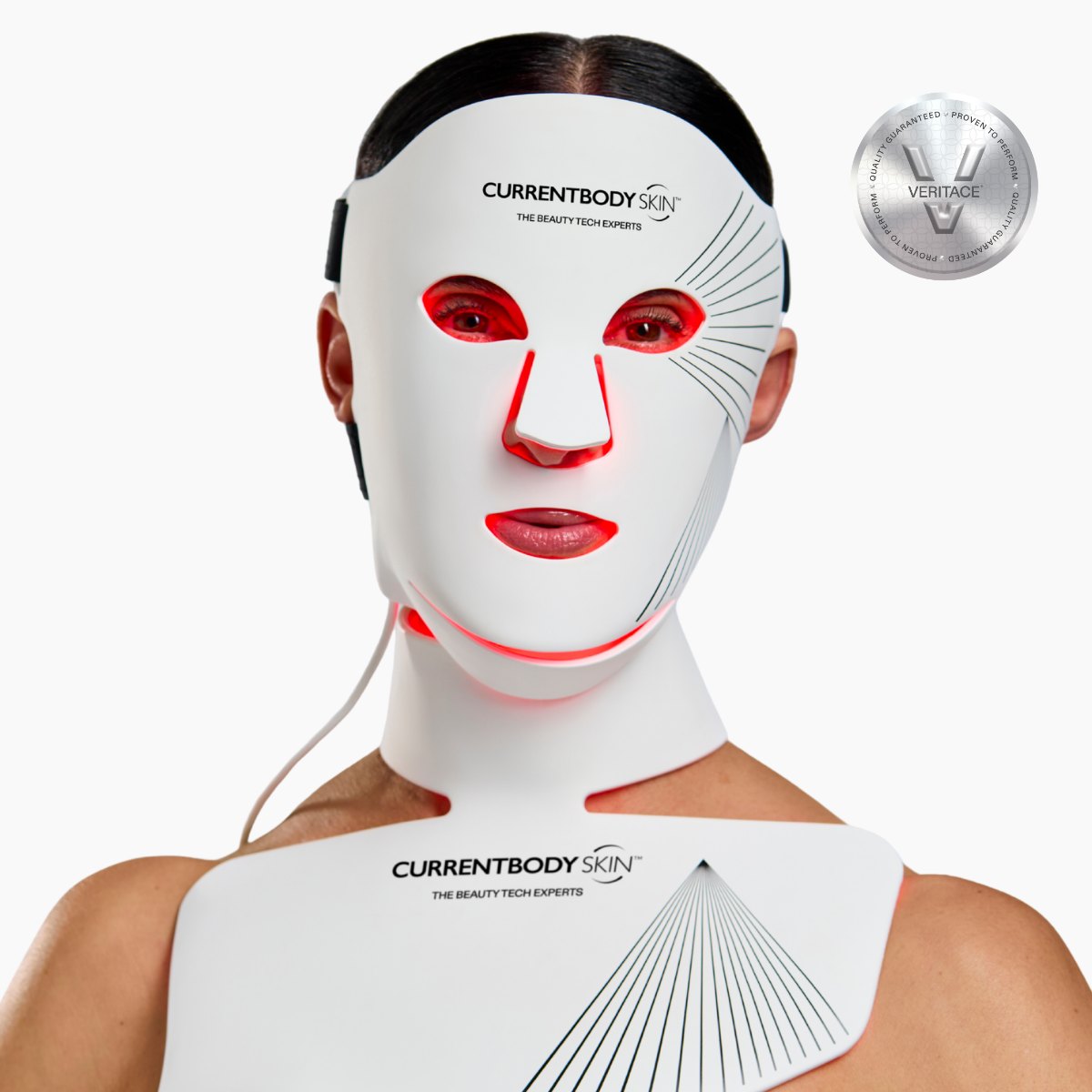
Black Friday falls on Friday 27 November this year, with Cyber Monday on the 30th. If you are buying premium beauty, that date matters less than it used to: the sales now open in early November, the best stock goes in the first forty-eight hours, and the genuinely deep discounts are concentrated in one category most people overlook.
Here is what actually comes down in price at the top end, what never does, and what to do in the twelve weeks before it starts.
Beauty tech is the real Black Friday category
Skincare and make-up move a few percent. Devices move properly. LED masks, microcurrent tools and light-therapy panels are high-ticket, high-margin and hold full price for most of the year, which is exactly why the November cuts on them are worth waiting for.
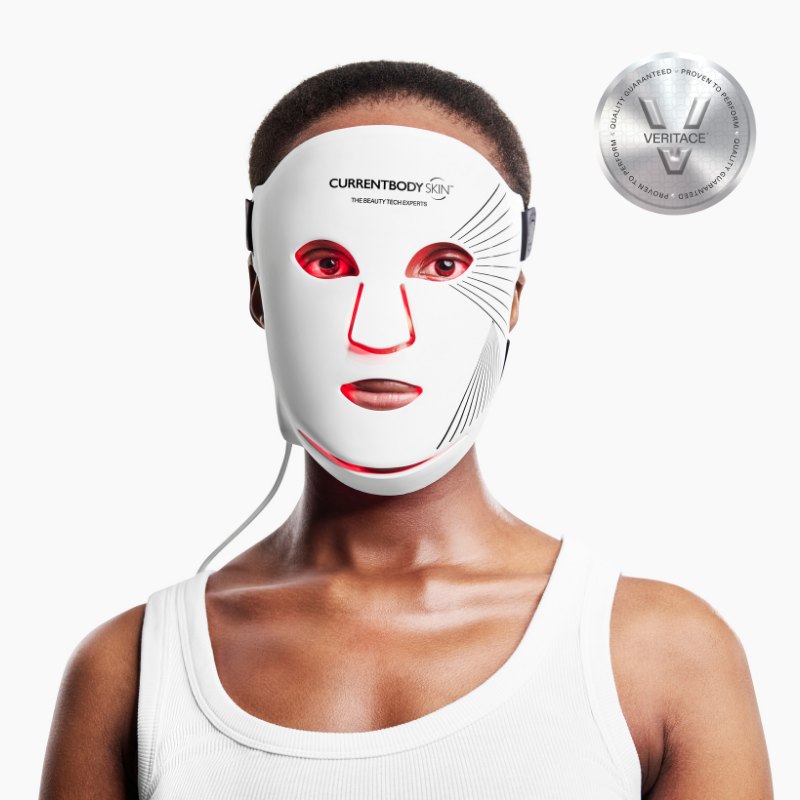
CurrentBody is the one to watch, not least because it keeps a Black Friday page live all year. At the time of writing the Skin LED Red Light Therapy Face Mask is £399.99, the Face and Neck Kit Series 2 is £359.99, the Neck and Décolletage mask £359.99 and the Blue Light anti-blemish mask £299.99. The LED Light Therapy Panel sits at £1,304.99 and the Sauna Blanket and Recovery Boots bundle at £1,160.99. Note those figures now: they are your baseline for judging whether November’s headline is real.
What the department stores actually do
Selfridges, Liberty and Harvey Nichols rarely cut individual prestige lines. What they run is a sitewide percentage, which is how you get money off brands that never discount through their own sites. Selfridges beauty and Liberty beauty are the ones to have a wishlist sitting in before the end of October, and Space NK runs its offers brand by brand rather than across the shop.
Where the multibrand sites win
LookFantastic does the volume, with tiered codes that get better as the week goes on and a sale page that never really closes. Cult Beauty does the curation, and tends to be the better bet for newer brands and skincare. Beauty Bay covers the cheaper end. Boots is worth a look purely for Advantage Card points stacking on top of the reductions.
Brands that discount directly
A handful run their own sales properly rather than leaving it to stockists. Elemis keeps an offers page live year-round and goes harder in November, and Charlotte Tilbury runs its own event with sets that are genuinely cheaper than buying the pieces separately.
What never really discounts
La Mer, Augustinus Bader, Chanel, Dior and Hermès hold their prices. If you see one of them reduced, it is almost always a department store applying a sitewide code rather than the brand cutting, which means it will be a smaller percentage and it will sell out first. Plan around that rather than hoping.
What to do now, twelve weeks out
Build a wishlist at each retailer you actually shop with. It is the single most useful thing you can do, because most sale pages let you filter to saved items and you will not be making decisions at midnight. Join the waitlists where they exist. And screenshot the current price of anything you are serious about, so you can tell a real reduction from a re-labelled one.
The traps
“Up to 70% off” usually means one discontinued shade. Watch for sets built specifically for the sale, which look like a saving against a recommended price that nothing was ever sold at. And check that a gift set is actually cheaper than the hero product on its own, because often it is not once you discount the bits you will not use.
More in our beauty deals hub, including where designer fragrance is genuinely cheaper year-round.
Prices correct at the time of writing and will change. Flavourmag may earn a small commission from links in this article. This never affects the price you pay.